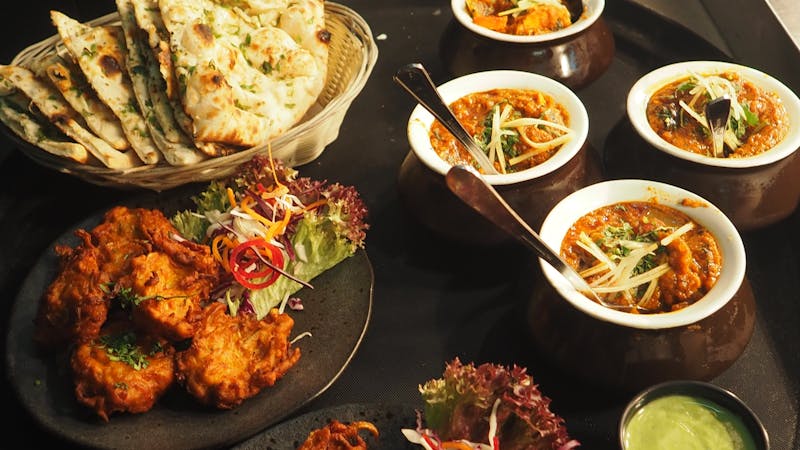
Singapore is unquestionably one of the world's greatest food destinations. From the fiery spice of Malay rendang to the creamy richness of Peranakan laksa, the comforting depth of Chinese bak kut teh, and the vibrant flavours of Indian roti prata — the city's multicultural culinary landscape is extraordinary. But this abundance comes with a hidden challenge: digestive distress.
A 2025 survey by the Singapore Gastroenterology Society found that 43% of Singapore adults experience at least one digestive symptom weekly — bloating, acid reflux, indigestion, or irregular bowel movements. The combination of rich, spicy foods, irregular meal times driven by demanding work schedules, and the pervasive trend of eating at your desk has created a silent digestive health crisis in the Lion City.
Traditional Chinese Medicine (TCM) offers a powerful lens for understanding these issues. At its core is a simple but profound concept: the Spleen and Stomach are the foundation of acquired constitution (脾胃为后天之本). In other words, your long-term health depends on how well you digest and absorb the food you eat.
The Spleen and Stomach in TCM: Your Body's Engine Room
In Western medicine, the spleen is an organ involved in blood filtration and immunity. In TCM, the Spleen system (Pi) has a much broader role — it governs transformation and transportation. Think of it as your body's internal refinery: it takes the raw materials you eat and converts them into Qi (vital energy) and Blood that nourish every cell in your body.
The Stomach (Wei) is responsible for "ripening and rotting" food — the initial breakdown. The Spleen then extracts the essence and sends it upward to the Lungs and Heart to be distributed throughout the body. When both organs are strong, you have steady energy, clear thinking, and regular digestion. When they are weak, you feel tired after eating, bloated, heavy, and mentally foggy.
Why Singapore's Food Culture Challenges Your Digestion
Several factors unique to Singapore's lifestyle put stress on the Spleen and Stomach:
- Rich and oily foods: Many Singaporean favourites — char kway teow, hainanese curry rice, nasi lemak with coconut milk — are high in fats and oils. In TCM, excessive greasy foods create "Dampness" (Shi), which weighs down the Spleen and leads to bloating, heaviness, and loose stools.
- Spicy and heaty dishes: Laksa, sambal-heavy dishes, and curry are delicious but generate internal "Heat." For people with a sensitive stomach, this can cause acid reflux, heartburn, and inflammatory reactions.
- Irregular meal timing: In TCM, the Stomach meridian is most active between 7am and 9am — this is the optimal time for breakfast. Yet many Singapore professionals skip breakfast or grab coffee on the run. Eating late at night (after 8pm) is also common, but this is when the Stomach's energy naturally declines, making digestion less efficient.
- Iced drinks with meals: The ubiquitous Singaporean habit of ordering iced coffee or cold water with meals is one of the biggest offenders in TCM. Cold beverages literally "put out the digestive fire," forcing the Spleen to use extra energy to warm the liquid before it can begin digestion.
Choose wisely: Opt for yong tau foo (clear broth version), fish soup, chicken rice (remove the skin), or steamed dishes over fried options.
Drink warm: Ask for warm water or Chinese tea with your meal instead of iced drinks.
Mind the portion: Singapore hawker portions are generous. Try eating until you are 70% full — a TCM practice called qi fen bao (七分饱) — which preserves Spleen energy.
Add ginger: Many hawker stalls offer pickled ginger or fresh ginger tea. Ginger is warming and supports the Stomach — it is not just a garnish.
Signs Your Spleen Qi May Be Weak
How do you know if your digestive system needs support? Common signs of Spleen Qi deficiency include:
- Bloating or heaviness after meals, especially with rich food
- Loose stools or a feeling of incomplete evacuation
- Fatigue after eating — the urge to nap after lunch
- Pale complexion and low energy throughout the day
- Brain fog or difficulty concentrating, particularly after meals
- A puffy appearance, especially around the eyes and ankles (Dampness)
- Teeth marks on the sides of your tongue (a classic TCM diagnostic sign)
If several of these resonate with you, your Spleen may need some support. The good news is that dietary adjustments can make a noticeable difference within two to three weeks.
TCM Dietary Strategies for Singaporeans
1. Eat Warm, Cooked Foods
Raw salads and cold foods are difficult for a weak Spleen to process. Singapore's tropical climate makes cold food tempting, but TCM advises eating mostly cooked, warm foods — especially if you experience bloating or loose stools. Congee (rice porridge), soups, stir-fried vegetables, and steamed fish are all Spleen-friendly options. The yong tau foo chain stores across Singapore offer excellent choices: choose clear broth over spicy, and load up on tofu, vegetables, and fish paste items.
2. Embrace the Power of Ginger and Turmeric
These two rhizomes are among the most digestive-friendly foods in TCM. Fresh ginger warms the Stomach, disperses Cold, and alleviates nausea. Add a few slices to hot water for a simple tea, or ask for extra ginger in your dishes. Turmeric (found in many Malay and Indian dishes) transforms Dampness and supports healthy inflammation response. The combination is synergistic — and it happens to be delicious in Singaporean cooking.
3. The Seven-Tenths Full Rule
TCM has a simple guideline for meal portions: eat until you are 70% full (qi fen bao). This prevents overwhelming the Spleen. When you overeat, the body diverts more Qi to digestion, leaving you tired and sluggish. In Singapore's hawker culture, where portions are generous, try sharing a dish or packing half for later. You will likely find you have more energy in the afternoon.
4. Foods That Specifically Support the Spleen
Pumpkin and sweet potato — naturally sweet, easy to digest, and directly tonify Spleen Qi.
Millet and rice congee — the ultimate Spleen-friendly breakfast.
Chinese yam (huai shan) — available at NTUC and wet markets; great in soups.
Red dates (hong zao) and goji berries — mild, nourishing, and blood-building.
Organic tofu and eggs — high-quality protein that is easy to digest.
Coriander and Chinese parsley — mild aromatic herbs that help move stagnant Qi.
Simple Acupressure for Digestion
Two acupressure points can provide almost immediate relief from bloating and indigestion:
- Stomach 36 (ST-36 — Zu San Li): Located four finger-widths below the kneecap, one finger-width toward the outside of the shinbone. This is one of the most important points in TCM for strengthening the Spleen and Stomach. Press firmly for 1–2 minutes on each leg daily.
- Conception Vessel 12 (CV-12 — Zhong Wan): Located midway between the navel and the bottom of the breastbone. This is the "alarm point" of the Stomach. Gentle circular pressure here can relieve bloating, nausea, and indigestion.
Digestive health is the foundation of vitality. In Singapore's rich and diverse food landscape, the TCM approach is not about restriction — it is about balance. Enjoy your laksa and chili crab, but support your Spleen with warm meals, mindful portions, and the wisdom that has guided healthy eating for thousands of years.